

As 2025 comes to an end, I wanted to highlight some of my favorite films, books, podcasts, and performances I experienced. Not all of these were released in 2025, but they had a big impact on me this year. Looking forward to more screenings and performances in 2026!
****
Documentary: Boston’s Frederick Wiseman Retrospective
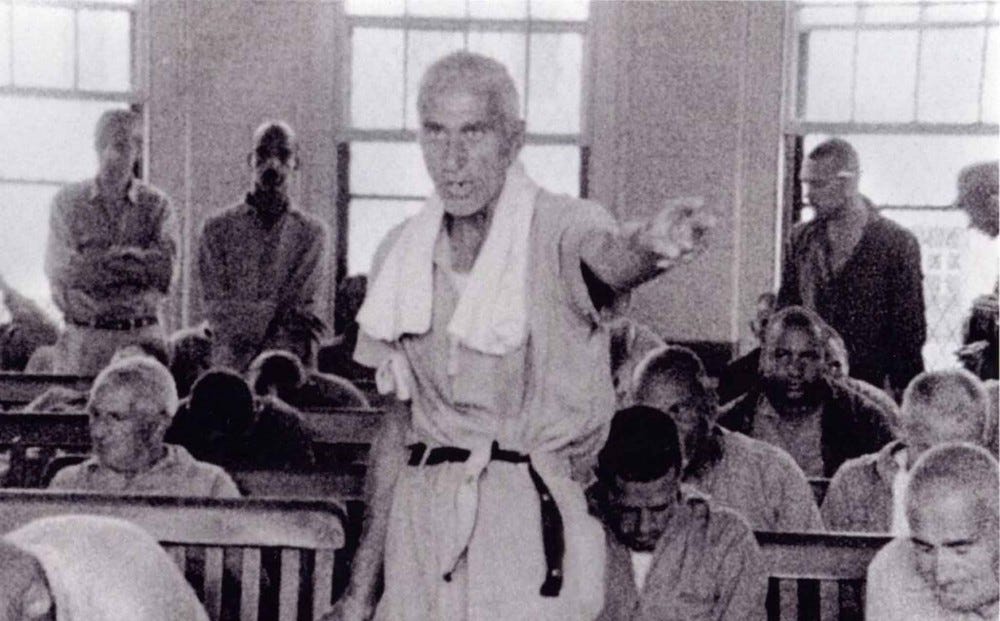
This year movie theaters across Boston honored Frederick Wiseman by screening several of his documentaries for the public. It felt impossible to pick a documentary released in 2025 that I liked better than the Wiseman films.
I was able to see High School and Zoo in theaters and finally finished watching Titicut Follies in its entirety at home. Titicut Follies (1967) is an observational documentary about the male prisoners of the Bridgewater Hospital for the Criminally Insane in Massachusetts. There are several scenes that are disturbing because the conditions are terrible and prisoners are treated like animals at times. But what is most surprising is how nonchalant the staff members are. I had encountered Titicut in both my undergraduate and graduate studies. During my sophmore year my undergrad Professor Bob Harris showed it as an example of great documentary filmmaking. Watching it for the first time was a shocking and eye opening experience. In graduate school I was assigned articles about how Wiseman’s approach was exploitative and did not make any real impact. Now that I am distanced from academia, I have come down somewhere in the middle. I think it is a great documentary that does serve a purpose. The prisoners were treated horrifically and such treatment was seen as acceptable and standard procedure. However, filming people who don’t have their full mental clarity to consent or not is an ethical problem that cannot be ignored.
Wiseman’s early work serves as a valuable reminder of the flaws of large institutions and how normalized dehumanizing practices can become. During the second Trump administration Americans have seen multiple institutions like the Supreme Court, universities, and media outlets fail to push back against authoritarian policies. It is disappointing, but relates back to the philosopher Michel Foucault’s conclusion that most large institutions will cease to serve their original purpose and instead focus only on their own preservation. Foucault is a tough read, but Wiseman shows the failure of institutions in a simple and visceral way.
Podcast: MUBI Podcasts
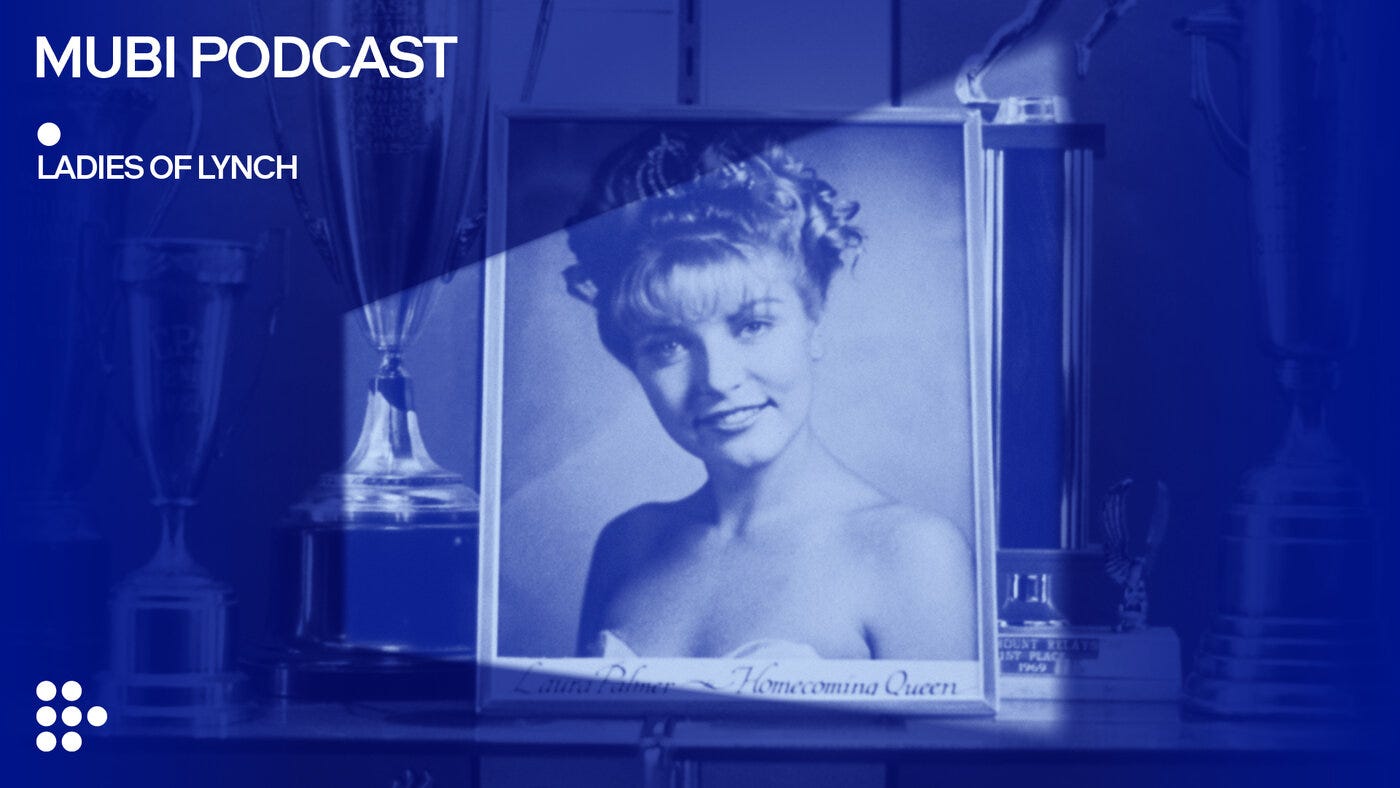
Everything this year I have listened to on MUBI has been excellent. These podcasts are not just people giving their random opinions on films, like a lot of film podcasts, but the hosts have done extensive research and interview cast and crew members from the films they showcase.
The Ladies of Lynch series was a great way to both honor David Lynch and showcase the amazing female collaborators on screen and behind the scenes that have made his work so memorable. It spans the entire gamut of Lynch’s major films like Blue Velvet, Mulholland Drive, Lost Highway, Inland Empire and Twin Peaks: Fire Walk With Me.
MUBI’s series Traveling Shots was also a great introduction to the cinema culture of different countries like Mexico, Amsterdam, Ireland, and Istanbul. I loved the interviews with local cinephiles and filmmakers. One of my favorite episodes was about squatters in Amsterdam that created indie cinemas in abandoned buildings.
Indie Cinema: The Brattle
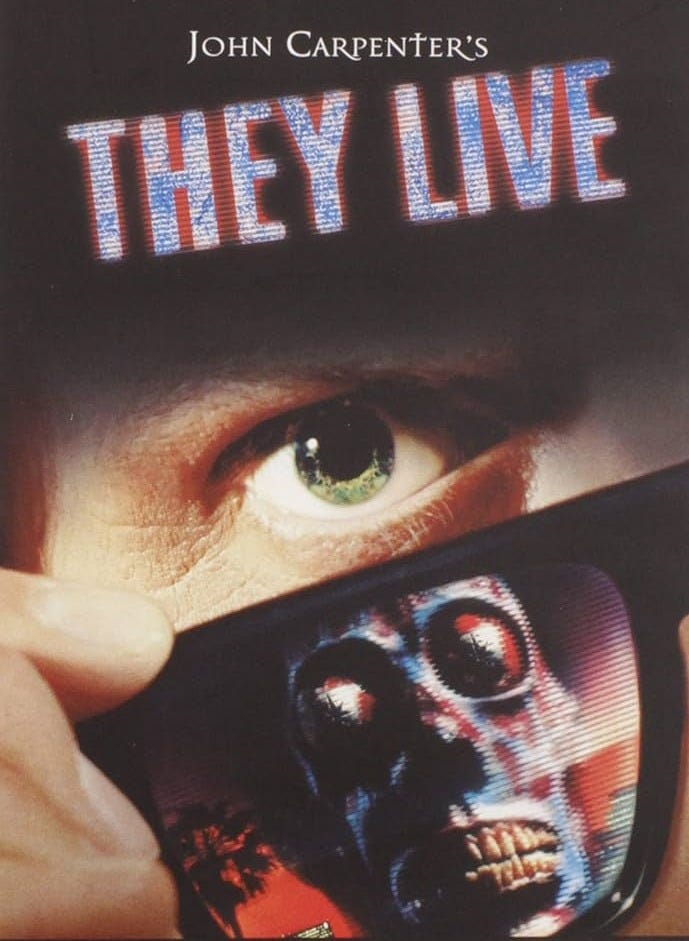
The Brattle had a great season of weird and cult films that are tough to see anywhere else. I saw John Carpenter’s They Live here for the first time on Black Friday in November. Ushers handed out sunglasses at the door that said “OBEY” and “CONSUME” in white letters on the arms. Special glasses in the film allow the protagonists to see a dark truth about the world. There was a rambunctious full house that was laughing and cheering throughout. The film is not Carpenter’s best, but it is a bold and entertaining critique of capitalism.
The Brattle also screened the entire season of Twin Peaks: The Return. I didn’t get a chance to see every episode in the theater, but I was able to see the legendary Episode 8 that features the first atomic bomb test. David Lynch depicts the test as tearing a rift in the space-time continuum. As the explosion fills the screen, an overpowering piercing sound track is heard. It is a stunning and frightening visualization of evil being released into the world.
Fiction Book: The Picture of Dorian Gray by Oscar Wilde
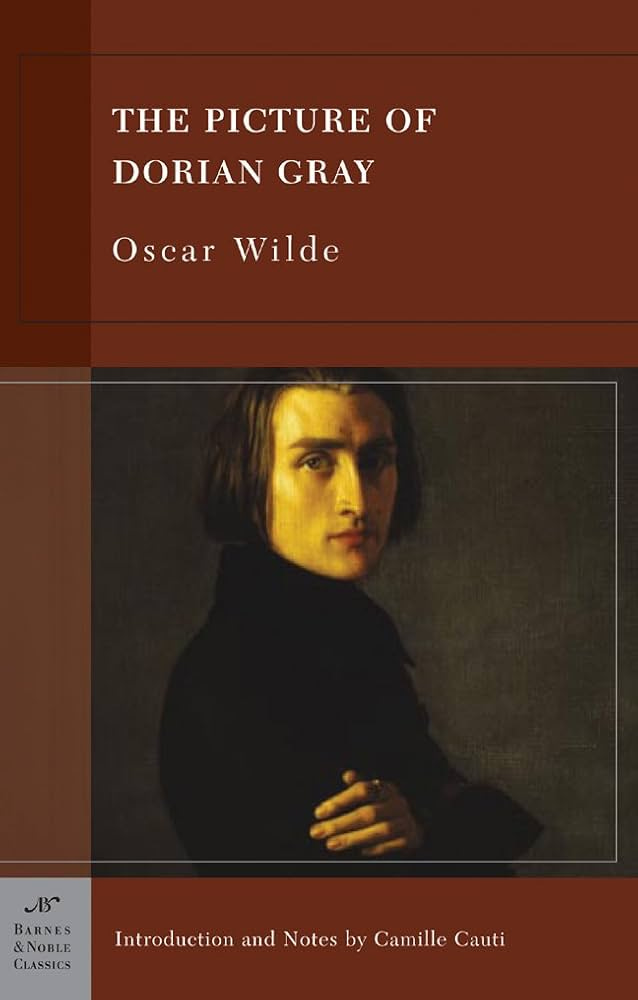
This novel is an important story of narcissism and how deceiving outer beauty can be. Early on in the book Gray finds a way to stop aging and maintain his youthful beauty. Gray is likeable and charismatic in the beginning of the story. Throughout the novel the reader is hoping the best for him, or wishing that he will eventually change his selfish ways. But Gray’s slow moral degradation as he continues to be admired and praised by others is chilling. It reminds us how easy it is to equate superficial beauty with goodness and how wrong that assumption often is.
Honorable Mention: Ubik by Philip K. Dick
Ubik is not in the same literary league as The Picture of Dorian Gray, but Philip K. Dick is one of my favorite science fiction writers. This is a wild and reality bending dream-like narrative. It is entertaining, convoluted, and funny. If you liked Inception or The Matrix, then you’ll love this book.
Non-Fiction Book: Stay True by Hua Hsu
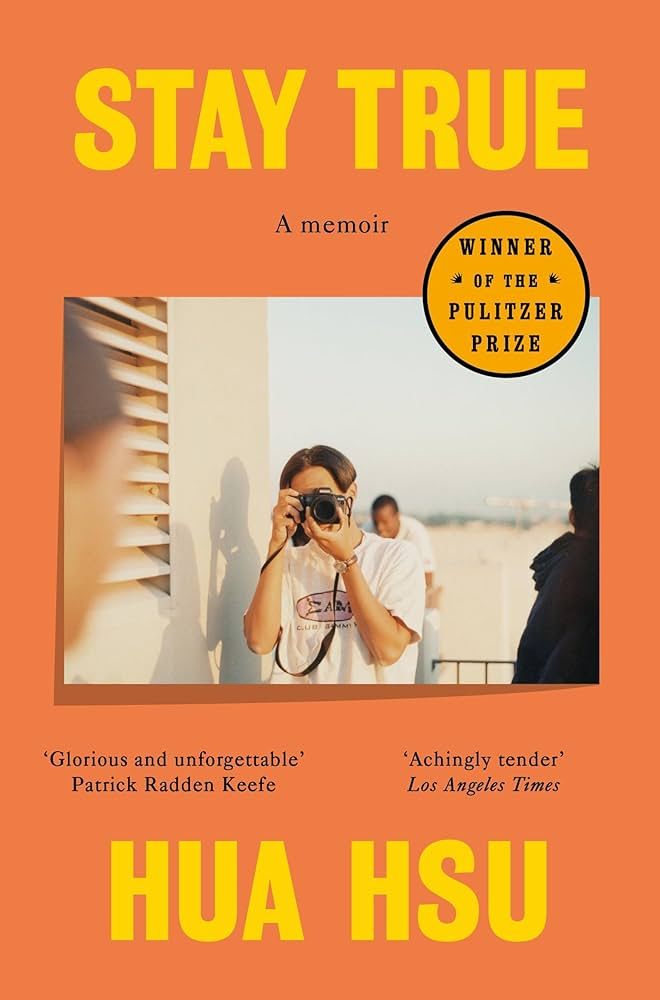
Hua Hsu’s memoir is a moving story of his college days and the unlikely friendship he develops with Ken. As a student Hsu is into indie music, custom made zines, and protesting. Ken is a charming and fashionable frat guy. At first Hsu isn’t interested in being friends, but Hsu soon learns that Ken is more than he appears to be, and that two have much more in common than they realize. All of these moments are made more poignant by the fact that we know from the beginning of the book that Ken died his junior year.
The majority of the memoir focuses on memories of their friendship, but the later part of the book tackles the pain and confusion of experiencing great loss for the first time. Hsu describes his grief in a raw and honest way that highlights how it can linger and remerge at various points in life. Anyone who has lost a friend too soon will find this book cathartic and meaningful.
Graphic Novel: Feeding Ghosts by Tessa Hulls
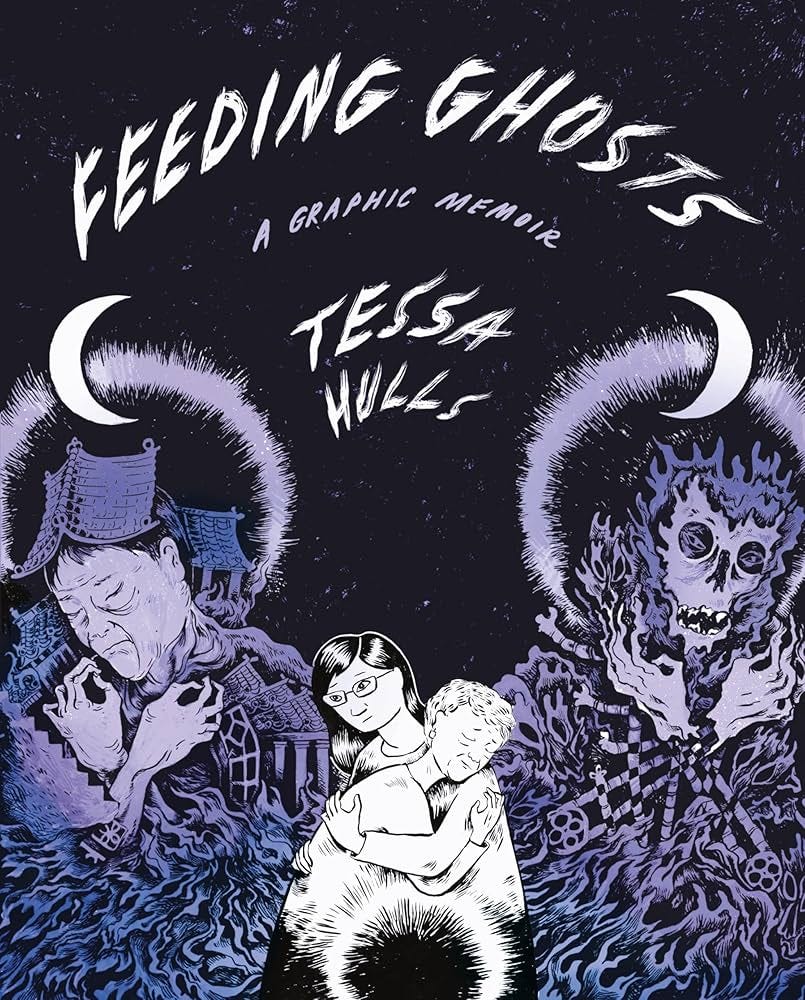
This graphic memoir by Tessa Hulls is a masterpiece in storytelling. She seamlessly weaves the narratives of her own life with her mother’s and grandmother’s stories. It explores her grandmother’s struggles with schizophrenia and the link between her mental illness and surviving the tumultuous changes during the Communist Revolution in China. Hulls explores how her grandmother’s past and mental health impacted the relationship with her own mother. Overall it is a moving family drama and unique exploration of the impact of intergenerational trauma.
Performance: Amplify
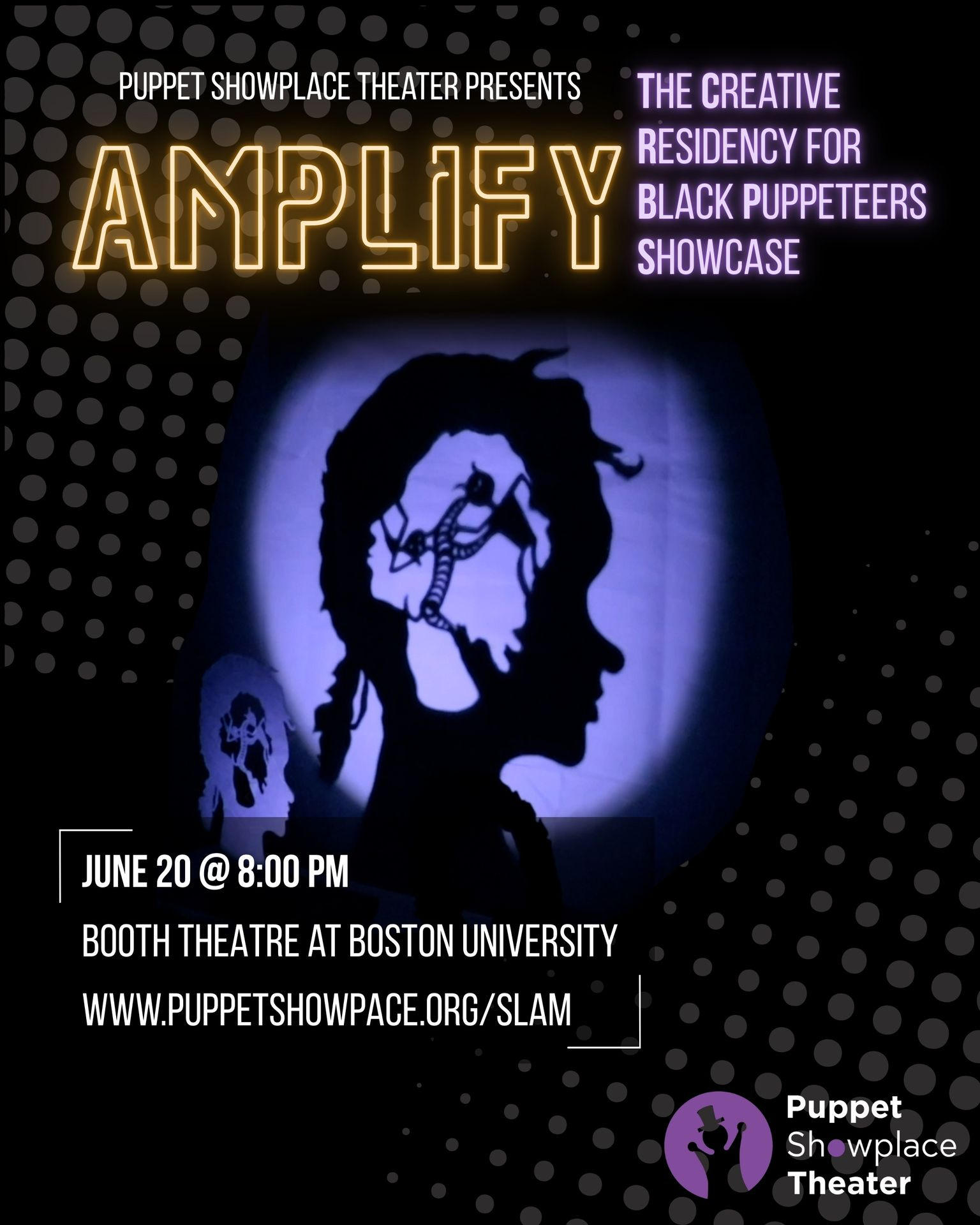
Puppet Showplace Theater in Brookline, Massachusetts has an annual event called “Amplify” in which participants of The Creative Residency for Black Puppeteers perform their work alongside local puppeteers and alumni from past cohorts. This was an amazing show that featured hand puppets, marionettes, shadow puppets, and a human sized figure.
My favorite piece was “Soul City” by Ash Winkfield and Charlotte Lily Gaspard. The audio was different pre-recorded interviews with people speaking about their ideas of what a soul is, who has a soul, and the possibility of an afterlife. With a small white sheet and lights the puppeteers created a dream space as people’s ideas were illustrated with colorful abstract images. Fish, whales, and elephants suddently appeared during a discussion of animals and reincarnation. The puppeteers transitioned from one stunning landscape to the next with a smoothness that was magical. It was a beautiful performance that I hope savor in my memory.